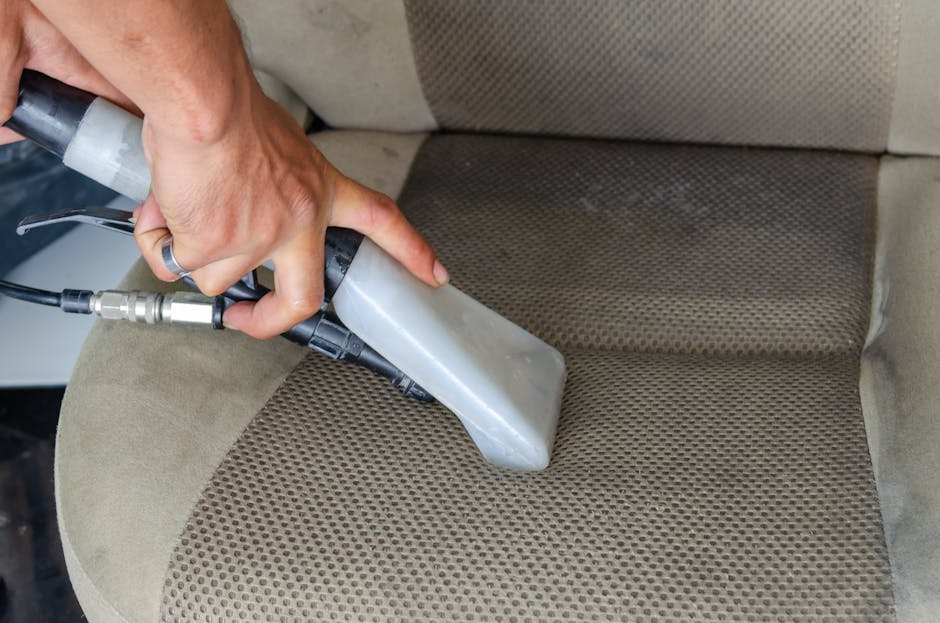
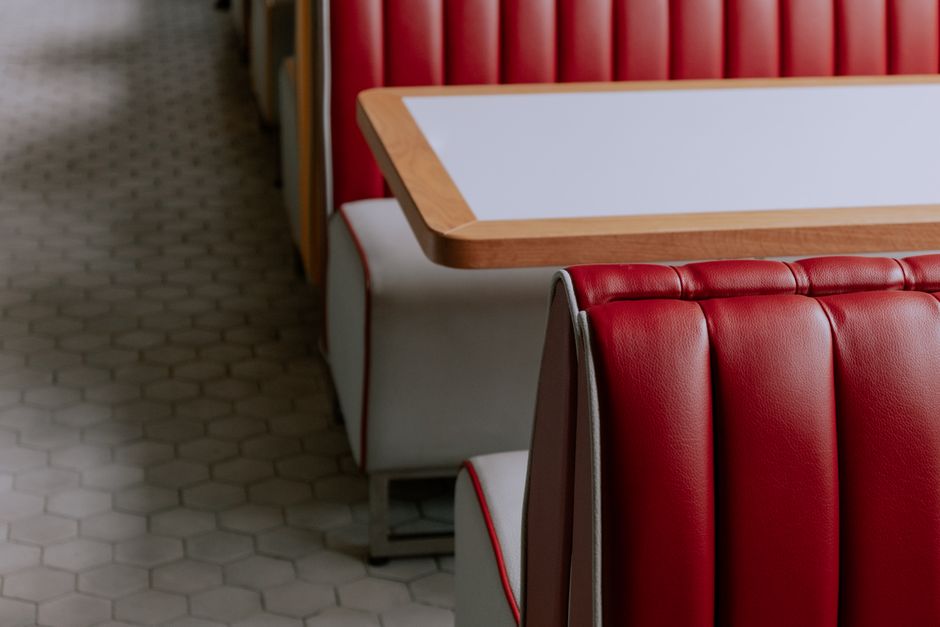
Upholstery cleaning The Glades Bromley restaurant makeovers
Restaurant makeovers at The Glades in Bromley are rarely just about a fresh coat of paint or a new menu board. The real transformation often shows up in the details people touch, sit on and notice without even thinking about it. That is where upholstery cleaning comes in. Clean banquettes, booths, dining chairs and waiting-area seating can lift a room fast, reduce lingering odours, and make an older restaurant feel cared for again. In a busy retail and dining setting, that matters more than most people realise. Truth be told, a tired seat can drag down an otherwise polished refurb.
If you are planning a refresh, or you are trying to rescue a dining space that has picked up the usual mix of spills, grease haze, and everyday wear, this guide walks through the practical side of upholstery cleaning for restaurant makeovers at The Glades, Bromley. You will find what works, what to avoid, how to plan it around trading hours, and how to think about hygiene, presentation, and long-term value all at once.
Table of Contents
- Why upholstery cleaning matters for restaurant makeovers
- How upholstery cleaning works in a restaurant setting
- Key benefits and practical advantages
- Who this is for and when it makes sense
- Step-by-step guidance
- Expert tips for better results
- Common mistakes to avoid
- Tools, resources and recommendations
- Law, compliance, standards and best practice
- Options, methods and comparison
- Case study or real-world example
- Practical checklist
- Conclusion
- Frequently asked questions
Why Upholstery cleaning The Glades Bromley restaurant makeovers Matters
When a restaurant is being refreshed, people usually notice the obvious stuff first: lighting, paint, menus, flooring, the look of the frontage. But customers sit much closer to the upholstery than they do to the walls. They lean into it, breathe near it, brush against it with coats and bags, and quite often judge the whole venue by how that seating feels. One grubby armrest or darkened seat pad can quietly undo a lot of visual work.
At The Glades, where dining spaces need to feel inviting quickly, upholstery cleaning is part of the makeover itself, not just a side chore. A seat that looks bright and feels clean sends a stronger signal than a lot of decorative tweaks. It says the place is maintained. It says the operator notices details. And in hospitality, details are the game.
There is also a practical angle. Restaurant upholstery collects a mixture of food spills, drink marks, body oils, dust, and odour. That combination builds up gradually, so it can be hard to spot until the room starts feeling a bit stale. You may not smell anything dramatic at first, but guests often do. Especially later in the day, when the room has warmed up.
In makeover projects, upholstery cleaning helps bridge the gap between appearance and reality. A restaurant can look newly styled, yet still feel old if the seating is dull or marked. Clean upholstery makes the new design choices work harder. It gives the refurbishment some breathing room.
Expert summary: if you are spending money on a restaurant makeover, clean seating is one of the quickest ways to protect that investment and make the whole space feel finished, not half-done.
How Upholstery cleaning The Glades Bromley restaurant makeovers Works
Restaurant upholstery cleaning is not the same as cleaning a sofa at home, and it is definitely not just a matter of spraying something pleasant and hoping for the best. Commercial seating varies a lot. One booth might be vinyl-covered. Another might be textured fabric. A third might have stitched panels, piping, or foam that reacts badly to too much moisture. The cleaning method has to match the material.
Most proper upholstery cleaning jobs begin with inspection. That means checking the fabric type, colour stability, existing damage, high-wear areas, and likely stain sources. After that comes dry soil removal. You always want the loose grit, crumbs and dust out first, because if you skip that step, you can just grind debris deeper into the fibres. Not ideal. At all.
From there, a technician usually chooses between low-moisture, hot water extraction, spot treatment, encapsulation-style cleaning, or a carefully controlled hand-cleaning approach. Which method wins depends on the upholstery and the downtime available. In a restaurant makeover, timing matters as much as cleanliness. The room may need to look perfect for a relaunch, or be back in use the next morning.
There is a small art to drying too. Clean upholstery that stays damp for too long can create a musty smell or leave marks as water travels through the fabric. Good ventilation, sensible product use, and realistic drying time all matter. You do not want a lovely clean seat that still feels cool and wet when the first lunch service starts.
If the makeover also includes other finish work, it can make sense to coordinate upholstery cleaning with services such as deep cleaning for the wider dining area, steam carpet cleaning for flooring, or hard floor cleaning where there are mixed floor finishes. That way, the room resets as a whole rather than in patches.
Key Benefits and Practical Advantages
There is a reason restaurant operators keep coming back to upholstery cleaning during refits and seasonal refreshes. The advantages are immediate and visible, but they also stack up over time.
- Better first impressions: clean seating makes the dining room look brighter, newer and more intentional.
- Less visible wear: regular cleaning reduces the look of traffic lanes, body oils and food staining.
- Improved odour control: upholstery can hold onto smells long after the spill has gone.
- Longer fabric life: removing embedded dirt helps reduce abrasion and premature wear.
- More polished refurbishments: clean chairs and booths help new decor, lighting and branding feel coherent.
- Better guest comfort: people notice freshness, even if they cannot quite explain why.
There is another benefit that gets overlooked: cleaning can make the design of the space feel more expensive. That sounds odd, but it is true. A well-maintained banquette under warm lighting simply reads better. The whole room gains a bit of confidence.
And if a restaurant uses fabric seating across a large number of covers, routine upholstery care can also delay the point at which reupholstery becomes necessary. That is a meaningful saving, even if it is not the kind of thing you see on a mood board.
Who This Is For and When It Makes Sense
This kind of cleaning makes sense for a lot of different hospitality situations, not just full-scale refurbishments. If you are operating near The Glades or elsewhere in Bromley and your seating is starting to look tired, it may be one of the highest-value jobs you can book.
It is especially useful for:
- restaurants preparing for a relaunch or brand refresh
- cafes and casual dining spaces with fabric banquettes
- operators replacing lighting, flooring or decor but keeping existing seating
- venues dealing with persistent stains or odours
- multi-site businesses trying to keep a consistent standard across branches
- restaurant managers who want to improve customer perception without a full refit
Sometimes the trigger is obvious. A sauce spill has left a mark, or the seating looks dull under new lights. Sometimes it is less obvious: the room still works, but it no longer feels crisp enough for the image you want to present. That second case is common. People know something is off, but not exactly what. Then the cleaning happens and suddenly the room breathes again.
If your seating is upholstered in mixed materials, it can be sensible to pair upholstery work with sofa cleaning methods where appropriate, or targeted stain removal for isolated spots that need careful treatment. For odour-related issues, pet stain odour removal is not just for homes; the underlying odour-control principles can be relevant in hospitality too, especially where smells have settled into soft furnishings.
Step-by-Step Guidance
If you are planning upholstery cleaning as part of a restaurant makeover, a simple process keeps things calmer and avoids expensive mistakes. Here is the basic sequence we would normally recommend.
- Assess the seating properly. Identify fabric type, condition, stains, fading, and any damage. Not every mark is a cleaning issue; some are wear, and some are fixed by repair rather than cleaning.
- Set the makeover goal. Are you trying to remove a few visible stains, reset the whole dining room, or prepare for a grand reopening? The answer affects method and timing.
- Test where needed. Any reputable clean should consider colourfastness and fibre sensitivity, especially on older or mixed upholstery.
- Clear the area. Move loose items, protect adjacent surfaces, and make sure staff know the work schedule. Restaurant spaces are busy. A tidy setup saves time and confusion.
- Pre-vacuum and pre-treat. Dry soil and spot treatment come before the main clean so dirt is not pushed around.
- Choose the right cleaning method. Low-moisture methods can be useful where quick drying is essential. More intensive methods may suit heavier soiling if the fabric allows it.
- Dry thoroughly. Ventilation matters. Good airflow and sensible scheduling are worth their weight in gold.
- Review the result. Check for missed marks, any remaining odour, and whether the finish matches the rest of the makeover.
Small note, but an important one: if seating is very heavily worn, cleaning will improve it, not magically reinvent it. Sometimes a piece looks 80 percent better after a proper clean. Sometimes more. But if the foam is collapsed or the fabric is physically damaged, that needs a different decision. Better to be honest early than pretend a miracle is coming.
Expert Tips for Better Results
A few details can make a surprisingly big difference. These are the things that tend to separate a decent clean from a really solid commercial result.
- Treat stains early where possible. Older marks are harder to lift because they bond more firmly to fibres.
- Do not over-wet upholstery. More water is not better. It usually just means longer drying and more risk of wicking.
- Match chemistry to the material. Strong products are not automatically stronger results.
- Clean from the top of the upholstery strategy down. If the dining room also needs carpets, floors, or windows, think in terms of the whole customer experience.
- Plan around service hours. Evening, overnight or early morning cleaning can make life much easier.
- Use ventilation actively. Open routes for airflow and do not trap moisture in closed rooms.
Another useful tip: look at the seating under the lighting you actually use at service time, not just in daylight. Warm restaurant lighting can hide some issues and exaggerate others. You may notice a faint ring mark at 8 pm that you never saw at noon. That is a real-world problem, not a cleaning theory problem.
If the makeover includes other touchpoints, consider pairing upholstery work with window cleaning so light can work better in the room, or with commercial cleaning if you want a broader reset across front-of-house and back-of-house support areas.
Common Mistakes to Avoid
Restaurant makeovers can go sideways in small ways. Upholstery cleaning is one of those areas where a few simple errors can undo a lot of effort.
- Choosing the wrong method for the fabric. A material that looks robust may react badly to heat or moisture.
- Waiting until the last minute. If the seats need longer to dry than expected, the relaunch timetable gets messy.
- Assuming every stain is removable. Some marks are permanent or only partly recoverable.
- Ignoring hidden odour sources. A seat can look clean and still smell slightly stale.
- Skipping a full room plan. Cleaning upholstery alone while the carpet, floors and glass still look tired can weaken the makeover effect.
- Using household products without testing. This is a classic mistake. Cheap, cheerful, and occasionally disastrous.
One of the sneakiest errors is not checking for dye bleed or fabric distortion. It may seem fine while damp, then dry with a patchy finish. That is why professional assessment matters so much. Better safe than sorry, honestly.
Tools, Resources and Recommendations
For a hospitality-grade clean, the right tools matter more than most people expect. The setup does not need to be flashy, just appropriate.
Useful resources and equipment typically include:
- commercial-grade vacuuming for dry soil removal
- microfibre cloths for controlled wipe-downs
- carefully selected upholstery detergents
- spotting agents for specific stain types
- extractors or low-moisture cleaning systems, where suitable
- air movers or good ventilation for drying support
- protective coverings for nearby floors or polished surfaces
For a broader refurbishment, it can help to align upholstery work with related services such as commercial carpet cleaning, one-off cleaning for a pre-opening reset, or regular cleaning if you want to keep the makeover standard going after launch.
If your venue also has mixed-use seating or fabric features in other areas, the broader upholstery cleaning service can be a useful reference point when deciding how much of the restaurant fit-out should be treated in one visit.
Law, Compliance, Standards and Best Practice
Hospitality cleaning in the UK is not just about appearance. It also sits within sensible expectations around hygiene, safe working, and risk management. You do not need to turn the whole job into a legal essay, but you do need to treat it carefully.
In practical terms, that means a few things. Cleaning products should be used according to their instructions. Work areas should be managed so staff and customers are not put at avoidable risk. Wet floors, trailing hoses, and drying equipment all need sensible controls. And any cleaning carried out around food service areas should be planned to avoid contamination or disruption.
For many operators, the best practice route is simple: use documented cleaning routines, keep records where useful, and make sure the method fits the material. If a restaurant wants stronger reassurance around site working, it is worth reviewing a provider's health and safety policy and insurance and safety information before work begins. That is just sensible due diligence.
Data handling can matter too if you are arranging quotes, site access, or service notes. Even when the task is operational, it is good practice to understand privacy and payment handling. Related pages such as privacy policy and payment and security are worth checking in any supplier review process.
To be fair, most of this is common sense dressed in formal clothing. Still, common sense is what keeps a makeover smooth.
Options, Methods, and Comparison Table
Not every upholstery job needs the same approach. The right choice depends on the fabric, the level of soiling, and how quickly the room needs to be ready again. Here is a simple comparison.
| Method | Best for | Advantages | Watch-outs |
|---|---|---|---|
| Low-moisture cleaning | Light to moderate soiling, faster turnaround | Quicker drying, less disruption | May not be enough for deep contamination |
| Hot water extraction | Heavier soiling on suitable fabrics | Deep soil removal, strong refresh effect | Longer drying, not suitable for all materials |
| Spot treatment | Isolated stains or marks | Targeted, efficient, cost-conscious | Not a full-room reset on its own |
| Hand cleaning | Sensitive fabrics or detailed areas | Controlled and careful | Slower, more labour intensive |
A lot of restaurant makeovers use a blend. For example, you might spot treat visible marks, clean the main seating with a low-moisture method, then come back to problem areas by hand. That hybrid approach is often more realistic than trying to force one method to do everything.
Case Study or Real-World Example
Here is a realistic example from the sort of situation many Bromley operators face.
A small restaurant near The Glades was preparing a modest makeover ahead of a busy seasonal period. The owner had changed the wall colour, replaced some menu displays, and updated the lighting. But the booth seating still looked a bit flat, with coffee marks on the front edges and a dull sheen on the fabric from years of service. Nothing dramatic, just enough to make the whole room feel tired.
The team started by assessing which seats were fabric and which were coated surfaces. The heaviest marks were around the edges where guests and staff brushed past repeatedly. A targeted upholstery clean was carried out first, with particular attention to the most visible seating banks. Problem stains were treated individually, while the main fabric areas were cleaned more broadly. The room was then ventilated carefully through the rest of the evening.
The result was not a total rebrand. It did not need to be. The seating looked fresher, the room reflected more light, and the new paintwork finally matched the rest of the interior. The owner later said the room felt like it belonged together again. That is the kind of effect you are usually after. Not flashy. Just right.
And yes, sometimes the difference is so noticeable that staff keep looking at the seats as if they have been replaced. A bit dramatic, but understandable.
Practical Checklist
Use this before booking or scheduling upholstery cleaning as part of a restaurant makeover.
- Confirm the upholstery material on each seating type
- Identify stains, odours and high-wear areas
- Decide whether you need a full refresh or targeted spot treatment
- Check drying time against your opening hours
- Protect nearby flooring, walls and fixtures
- Make sure the cleaning plan fits the overall makeover timeline
- Ask how the method handles colourfastness and delicate fabrics
- Consider pairing the clean with surrounding services if the room needs a full reset
- Review safety, insurance and access arrangements in advance
- Inspect the result before the space goes back into full use
If you want a more complete reset, you may also want to coordinate with related options such as office cleaning for admin or support spaces, or after builders cleaning if the makeover has involved fit-out work and dust control is still an issue.
Get a free quote today and see how much you can save.
Conclusion
Upholstery cleaning for restaurant makeovers at The Glades, Bromley is one of those jobs that quietly does more than people expect. It improves presentation, supports hygiene, lifts the feel of the room, and helps the rest of the refurbishment land properly. You do not need a full rebuild to make a dining space feel cared for. Sometimes the smart move is simply to reset the surfaces people actually use.
Done well, upholstery cleaning makes a restaurant feel fresher, calmer and more believable. That matters to guests, staff, and the business case behind the makeover. Clean seating is not just clean seating. It is part of the experience, part of the brand, and part of the reason people stay a little longer or come back again.
And if you are standing in a half-finished dining room thinking, "this still looks a bit off," you are probably closer to the answer than you think. Sometimes the fix is right there in the seats.
Frequently Asked Questions
How often should restaurant upholstery be cleaned during a makeover cycle?
It depends on footfall, fabric type and how quickly marks build up. For busy dining spaces, a planned clean during each refresh cycle is sensible, with spot treatment in between if needed.
Can upholstery cleaning remove old food and drink stains?
Often it can improve them a great deal, but not every stain disappears fully. Older marks, heat-set stains and dye transfer can be stubborn, so it is best to treat expectations realistically.
Will the seating be dry in time for service?
That depends on the method used, the fabric, and the room's airflow. A good cleaning plan should take drying time seriously, especially if service resumes the same day.
Is upholstery cleaning enough on its own for a restaurant makeover?
Sometimes, yes, if the seating is the main issue. But for the strongest result, it usually works best alongside other work such as carpet, floor, or window cleaning.
What if the upholstery is damaged, not just dirty?
Cleaning can improve appearance, but it will not repair split seams, collapsed foam or worn-out fabric. In those cases, cleaning and repair decisions should be considered separately.
Does fabric upholstery need a different approach from vinyl seating?
Yes. Fabric often needs a fibre-safe cleaning method, while vinyl may be wiped and detailed differently. The material should guide the method, not the other way round.
Can cleaning help with lingering odours in a restaurant?
Yes, especially when odours are trapped in soft furnishings. It will not solve every smell source, though, so kitchens, bins, ventilation and flooring may also need attention.
Should upholstery cleaning be done before or after the rest of the makeover?
Usually near the end, once dust-generating work has finished. That said, the exact timing depends on the project. If you clean too early, the seating can pick up fresh dust again.
Is it worth cleaning just a few chairs rather than the whole room?
If only a few seats are visibly affected, targeted cleaning can be very effective. But if the room has overall dullness or odour, a whole-area clean usually gives better value.
What should I check before booking a commercial upholstery clean?
Look at the fabric types, timing, drying needs, safety arrangements and whether the service fits your wider makeover plan. It also helps to review the provider's service information and policies first.
Can upholstery cleaning help a restaurant look newer without replacing furniture?
Absolutely. It is one of the fastest ways to make seating feel fresher and more aligned with a redesigned interior. Not magic, but very effective when done properly.
How do I know if I need deep cleaning instead of a lighter refresh?
If the seating has multiple stains, heavy traffic marking, or a stale smell, a deeper approach is usually better. Light cleaning is fine for maintenance; deep cleaning is better for a makeover reset.
Sometimes the smallest cleaning decision gives the biggest lift. And that's no bad thing.