Health and Safety Policy for Carpet Cleaners BR1
 This health and safety policy sets out the standards expected when delivering professional carpet cleaning services. It is designed to protect staff, clients, visitors, and anyone who may be affected by cleaning activities. Our approach is based on risk awareness, careful planning, and responsible working practices. For carpet cleaners BR1, safe working is not an optional extra; it is a core part of service quality and day-to-day operations.
We recognise that carpet cleaning can involve water, electricity, chemicals, manual handling, and contact with contaminated surfaces. Because of this, every task must be assessed before work begins. The aim of this policy is to reduce the likelihood of injury, illness, and property damage while maintaining high cleaning standards. All carpet cleaners must follow safe systems of work and use equipment only in the manner for which it was intended.
 This policy applies to all employees, contractors, and temporary staff engaged in carpet cleaning activities. It covers preparation, transport, cleaning operations, drying, waste handling, storage, and post-cleaning checks. Carpet cleaners BR1 must always act with care, report concerns promptly, and stop work if conditions become unsafe.
Responsibilities and Safe Working Culture
Management is responsible for providing suitable equipment, training, supervision, and instructions. Staff must take reasonable care of their own health and safety and that of others. Everyone is expected to cooperate with safety measures, use protective equipment correctly, and follow approved procedures. This shared responsibility helps create a strong safety culture across all carpet cleaning activities.
Before each job, a basic risk assessment should be completed. This should consider floor conditions, trip hazards, ventilation, access routes, fragile items, and the presence of children, pets, or vulnerable persons. If a hazard cannot be controlled immediately, work should be adjusted or delayed. Carpet cleaning in BR1 must always be carried out in a way that minimises disruption and avoids unnecessary risk.
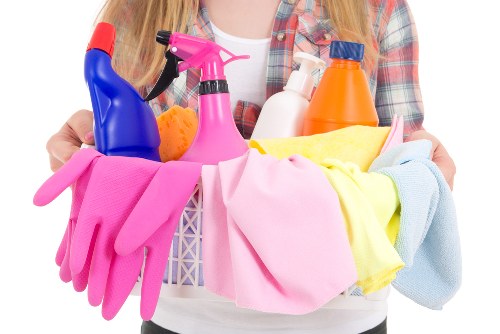 All staff must be trained to recognise the risks associated with cleaning chemicals and machinery. Safety data sheets should be available for all substances used. Only approved products may be applied, and they must be diluted and stored according to instructions. Improper mixing of chemicals is strictly prohibited, as it may release harmful fumes or reduce cleaning effectiveness.
Equipment, Chemicals, and Personal Protection
All cleaning equipment must be maintained in good working order. Electrical items should be checked regularly for damage, exposed wiring, or other faults. Any defective equipment must be removed from service immediately and reported. Vacuum machines, extractors, and hoses should be stored safely to prevent trips, leaks, or accidental activation.
Personal protective equipment must be selected based on the task. This may include gloves, eye protection, waterproof footwear, and suitable clothing. Carpet cleaners should use PPE whenever there is a risk of splashes, contact with cleaning agents, or exposure to dirty water. PPE should be cleaned, replaced, or disposed of as needed so that it remains effective.
Chemical handling requires special attention. Products should be kept in labelled containers and never transferred into unmarked bottles. Staff must avoid inhaling sprays or mist and should work in well-ventilated areas wherever possible. Any spillages should be contained and cleaned promptly using appropriate materials. The use of safe dilution practices is essential to protect both operatives and surfaces.
Workplace Conduct and Environmental Controls
Housekeeping plays a major role in safety. Hoses, cables, and tools must be positioned to reduce the chance of slips and trips. Wet floors should be clearly identified and managed until they are dry. Where practical, signs or temporary barriers should be used to alert building occupants. Carpet cleaning BR1 operations should leave the area safe, tidy, and ready for normal use as soon as possible.
Manual handling must be carried out with care. Equipment, water containers, and chemical stock can be heavy or awkward to move. Staff should use correct lifting techniques, ask for assistance where needed, and avoid repetitive strain. Work should be planned so that unnecessary carrying or twisting is reduced. Good posture and sensible load management are important for long-term wellbeing.
Noise, heat, and prolonged exposure to cleaning work can also affect health. Breaks should be taken where appropriate, and staff should remain alert to signs of fatigue or dehydration. If a task involves confined spaces, poor ventilation, or unusual contamination, extra precautions must be introduced before work starts. In every case, the safest practical method should be chosen.
Incident Reporting, Emergency Response, and Review
 Any accident, near miss, injury, chemical exposure, or equipment failure must be reported immediately. Accurate reporting helps identify trends and prevents recurrence. Managers should review incidents, determine root causes, and introduce corrective action where necessary. Carpet cleaners BR1 must understand that reporting concerns is a positive safety action, not a criticism.
Emergency procedures should be known by all staff. In the event of a serious spill, electrical fault, fire, or medical issue, work must stop and the area must be made safe. First aid provision should be available, and emergency access routes must remain clear. If a chemical enters the eyes or contacts skin, the affected area should be rinsed without delay and medical advice sought when needed.
The policy should be reviewed regularly to ensure it remains effective and relevant. Changes in equipment, materials, staffing, or working methods may require updated controls. Health and safety for carpet cleaners is an ongoing commitment that depends on training, supervision, and continuous improvement. This policy supports safe, professional, and consistent service delivery.
Commitment to Safe Standards
 We are committed to maintaining high standards of health and safety in every aspect of carpet cleaning. Staff must work carefully, use equipment responsibly, and treat every site as a unique working environment. By following this policy, carpet cleaners can reduce risks, protect wellbeing, and deliver reliable services with confidence. Safety is part of professionalism, and it must guide every stage of the job.